
Who we are
About Us
We explore new ways for people to interact with data, technology, and digital materials in meaningful ways. Our research is centered in real-world, situated contexts and draws from a plurality of approaches and disciplines in order to understand and (re)shape our digital lives.
We design new experiences with technology through a multitude of disciplines, materials, and methods. Our work combines data with visualizations and sound, and explores new combinations of physical and digital materials, virtual and real worlds, to create novel design concepts and ways of interacting from a non-solutionist, explorative, multidisciplinary perspective. Conceptual work on underlying design theory underpins our creative engagements.
Our work blends design, visualization, sound, and physical–digital experiences, guided by critical, feminist, and interdisciplinary perspectives. Through collaborations with museums, research labs, non-profits, and industry, we investigate how digital tools shape everyday life and imagine new possibilities for more ethical and inclusive technologies.
Theoretically we pull from a multitude of epistemic foundations — including feminist and critical theory, research through design, as well as more conventional scientific practices for both qualitative and quantitative inquiry. An important focus of the group is using different theoretical foundations to contextualize and situate data, interaction, and technology in real-world settings, and to understand our role as designers in their impacts. In particular, we draw from critical perspectives that center ethics, responsibilities, and inclusivity throughout our research practices.
Much of our research is motivated by collaborations with a range of partners. We have worked with organizations such as museums, research labs, science centers, non-profits, and industry partners. In these collaborations we employ a variety of participatory methods, including co-design, co-speculation, living labs, and creativity workshops.
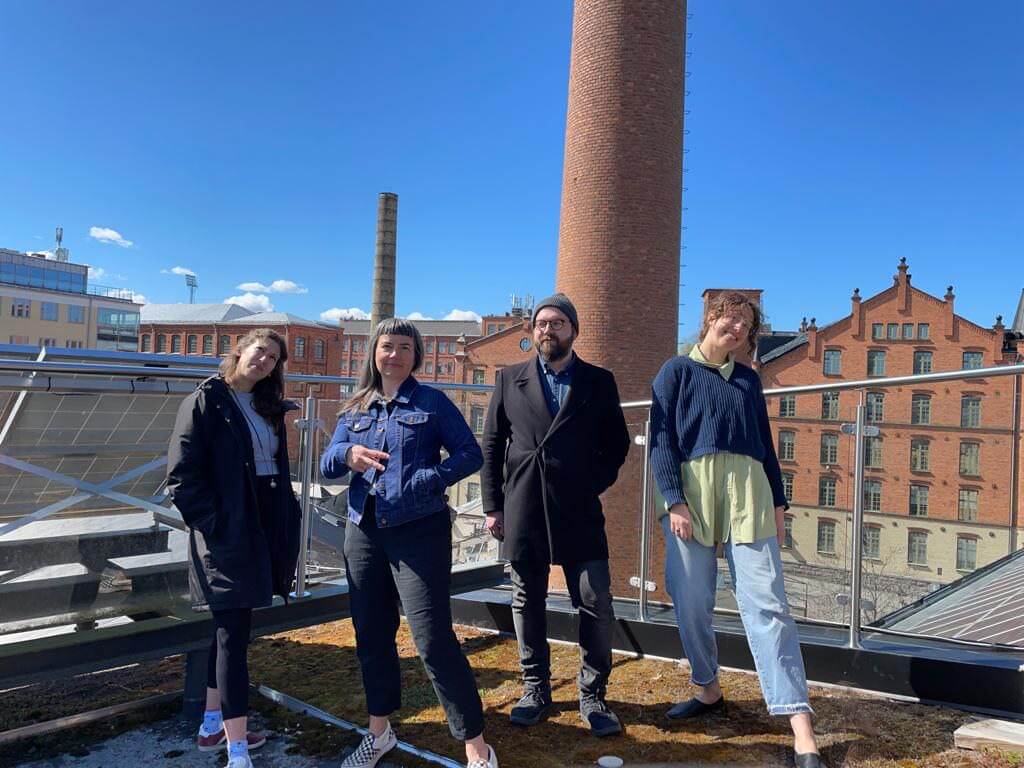
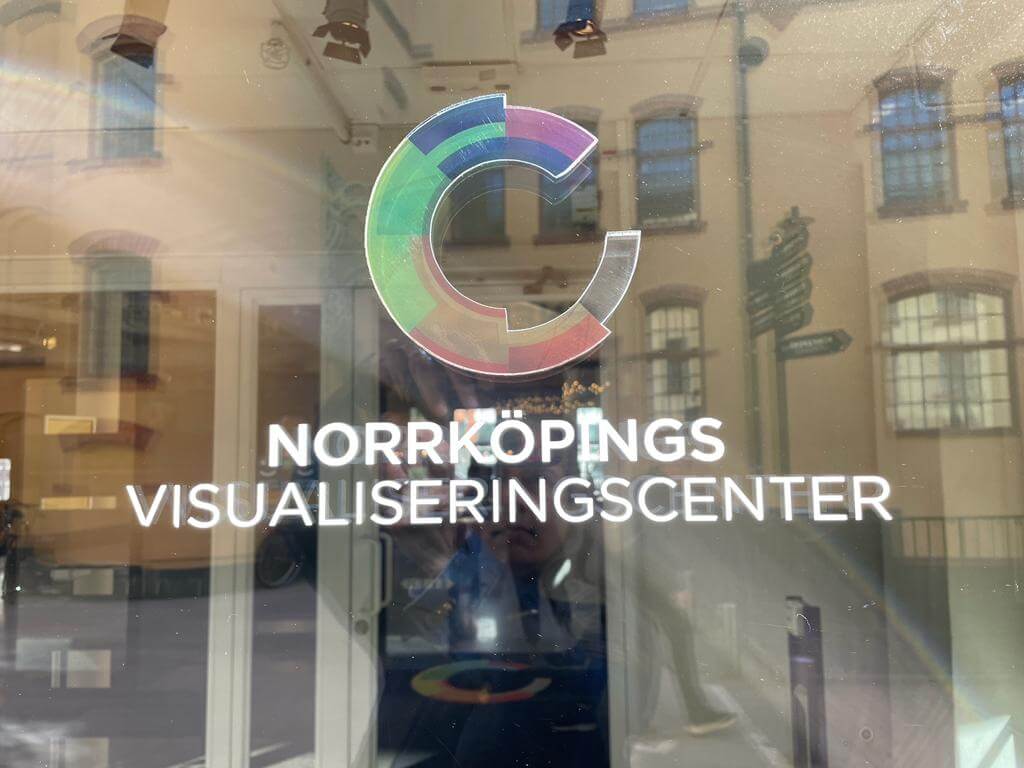
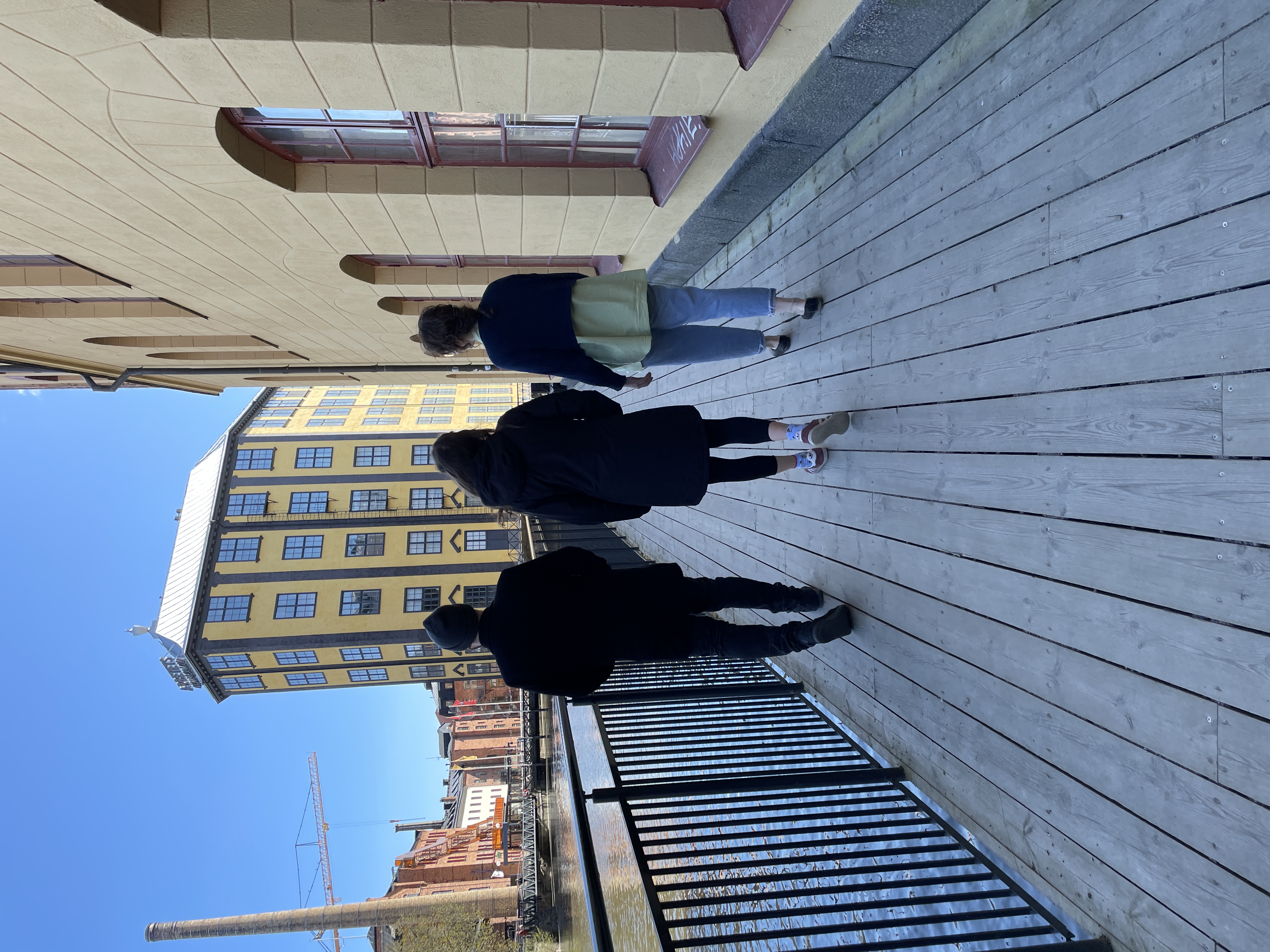
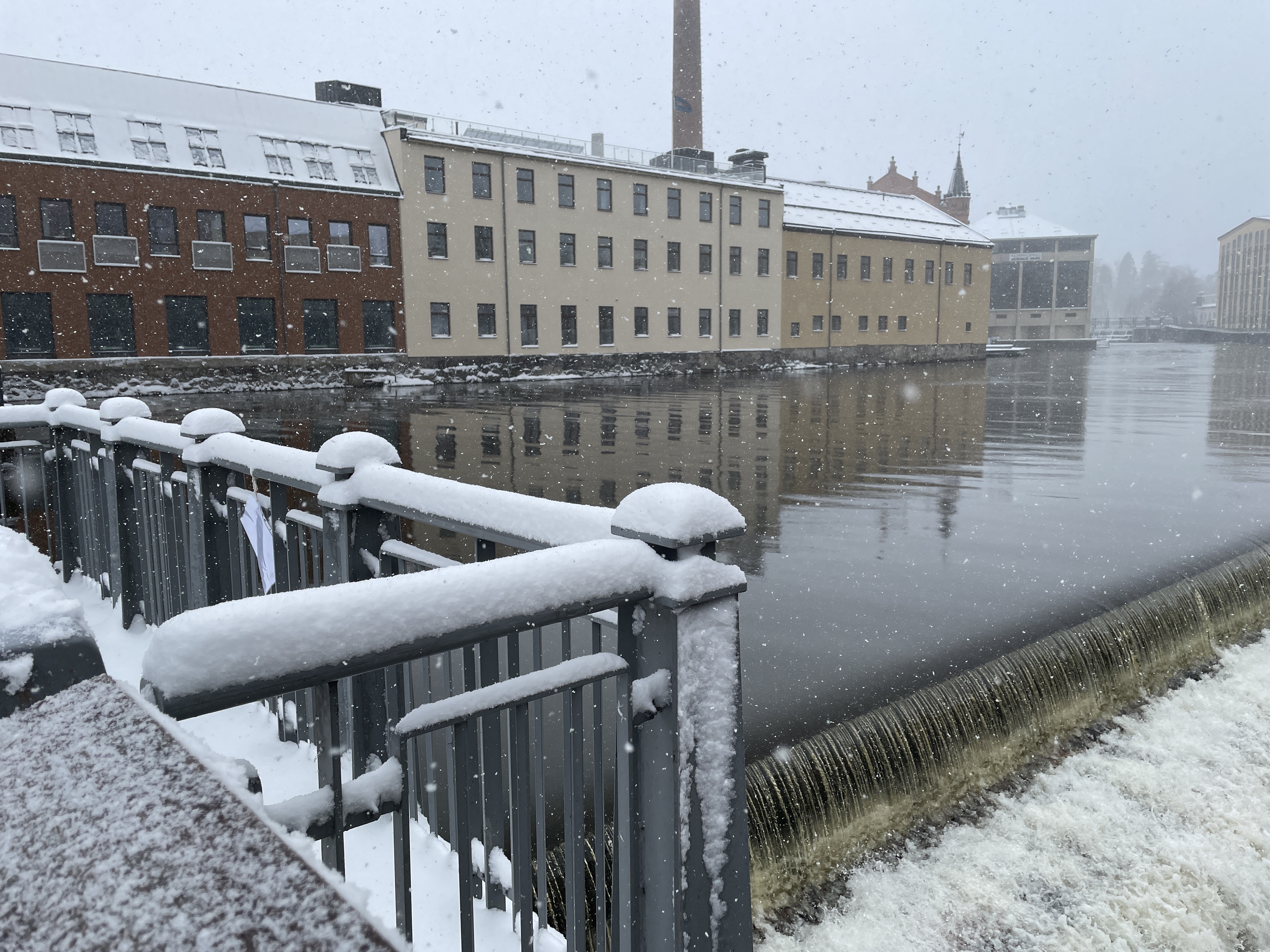
Based at the Department of Science & Technology, Linköping University, at the Visualization Center C in Norrköping, Sweden.
Life in the lab
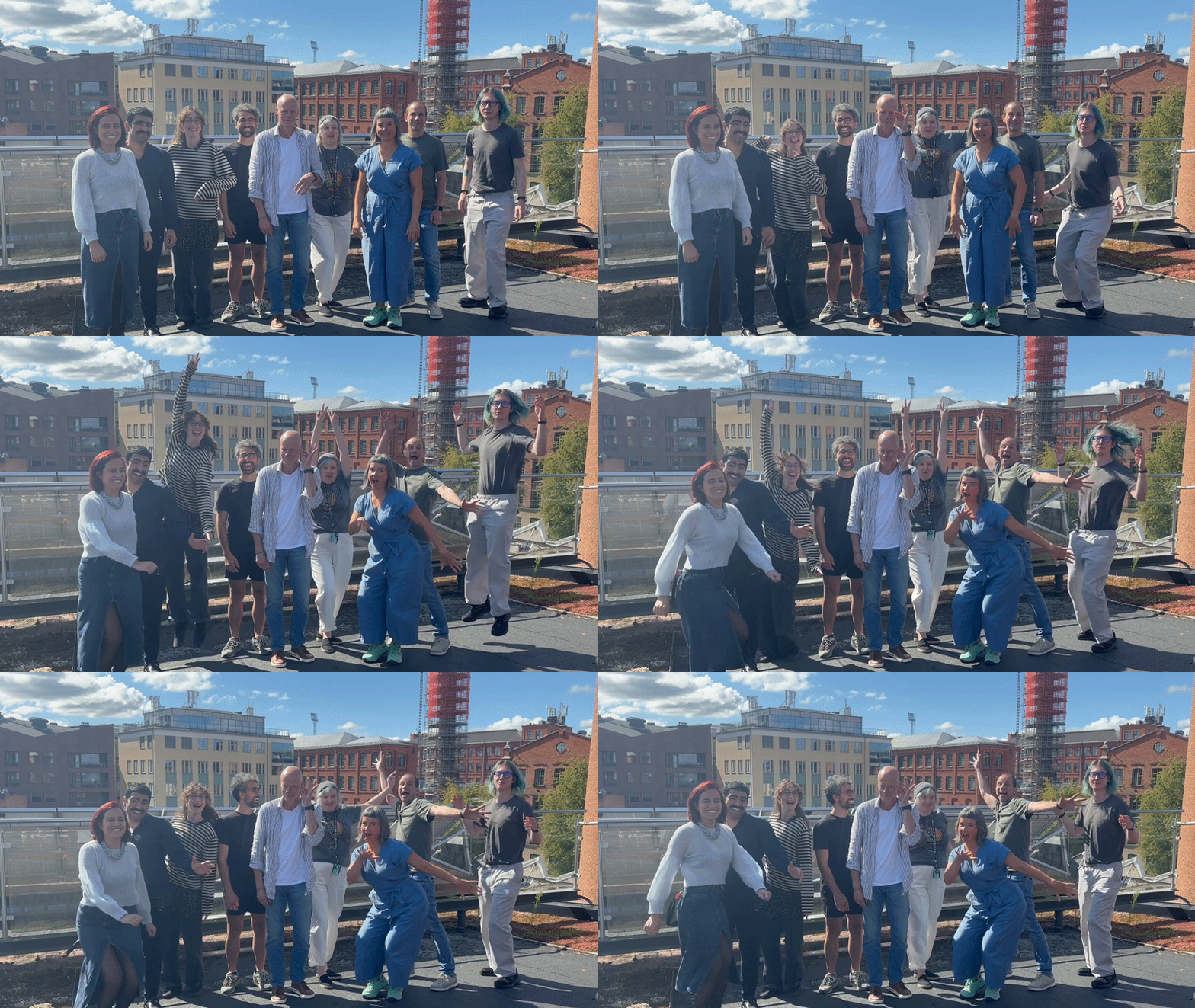
Gallery